అభిరామ్ ముళ్లపూడి
Abhiram Mullapudi
I build digital water systems that integrate machine learning, wireless sensor networks, and physical modeling to improve the resilience of urban water infrastructure. I am currently working at Inframark as a Lead Data Scientist, where I develop scalable machine learning solutions for small and medium-sized water utilities. My interests lie in signal processing, probabilistic methods, and optimization for cyber-physical infrastructure systems. I have a PhD in Civil Engineering from the University of Michigan, Ann Arbor, specializing in intelligent infrastructure systems. I write about some of these at randomstorms.substack.com. I am based in Washington, DC 🌸. During my free time, I row with the amazing crew at Capital Rowing Club and try to get my heart rate into a Gaussian distribution.
Live Side Quests
Small things I'm tinkering with right now, updated as they evolve.
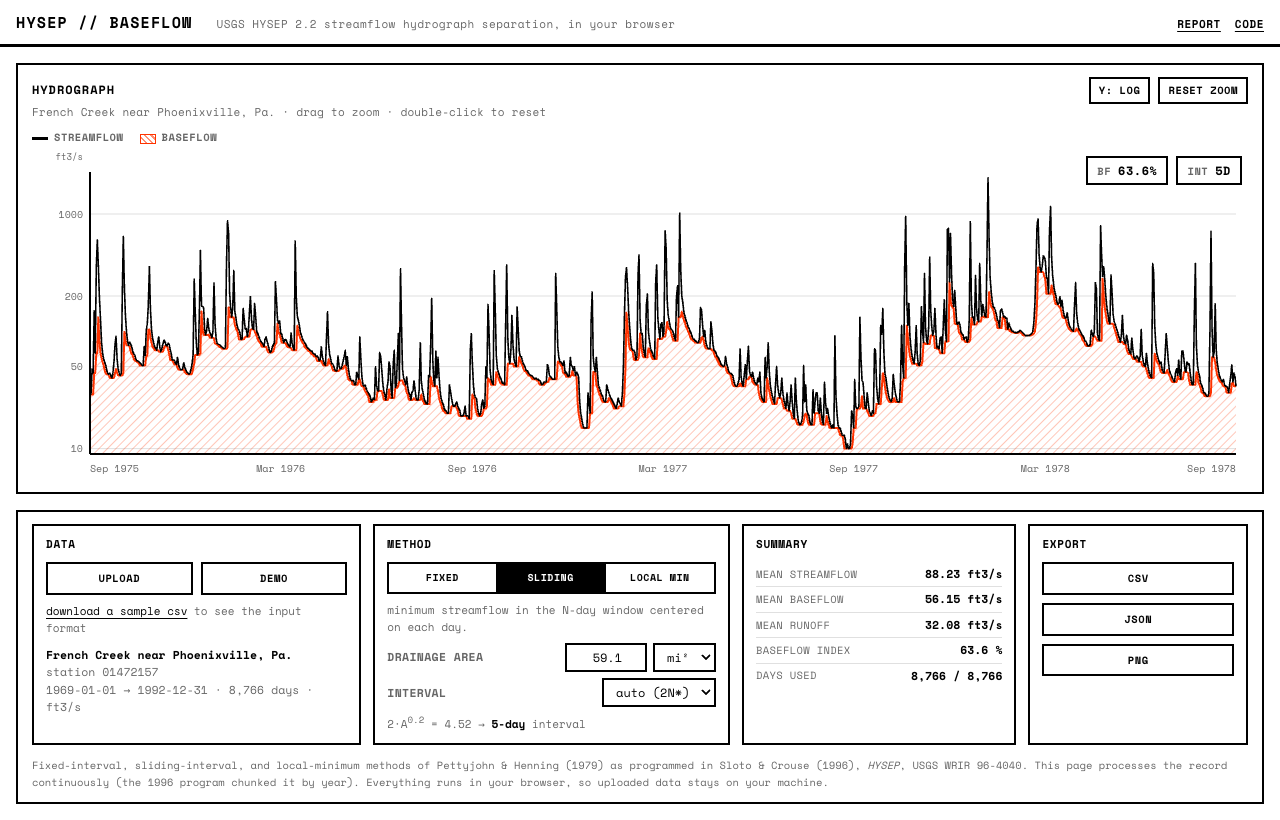
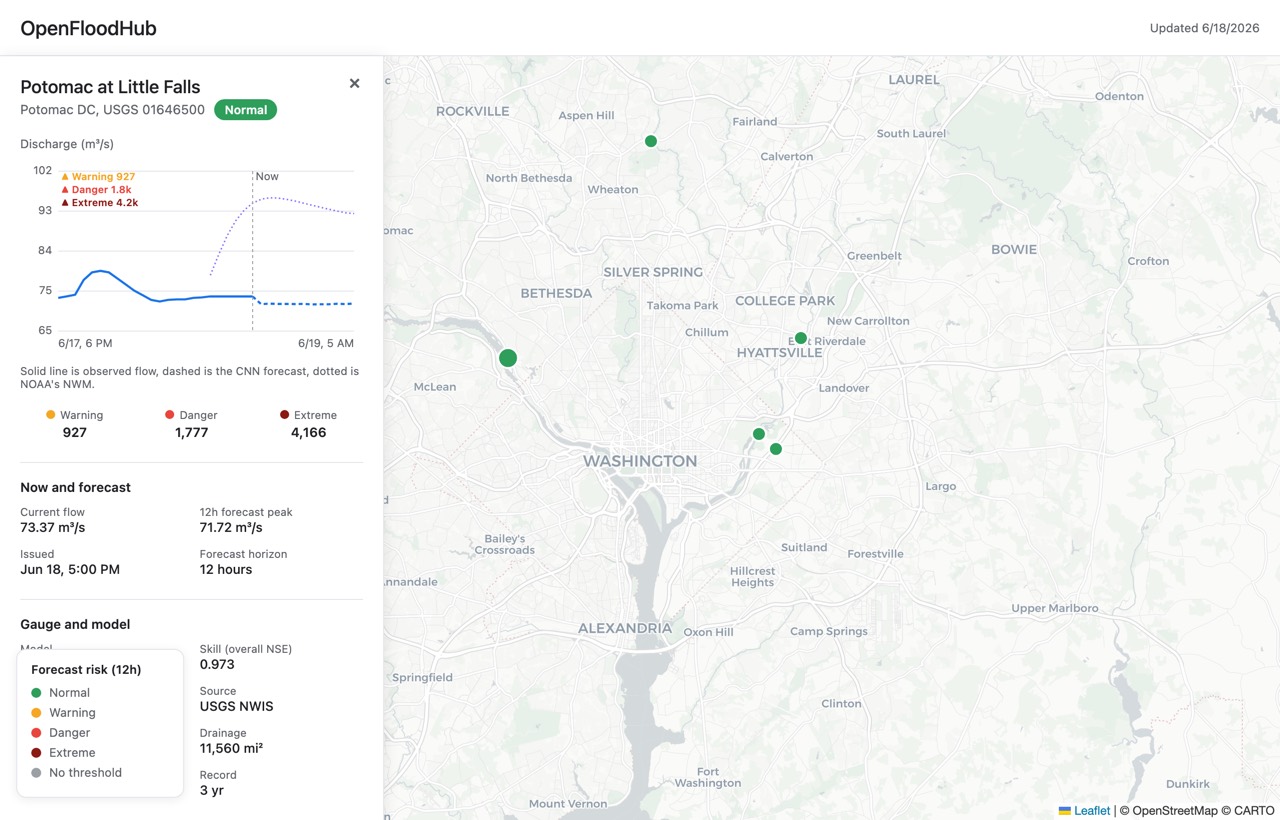
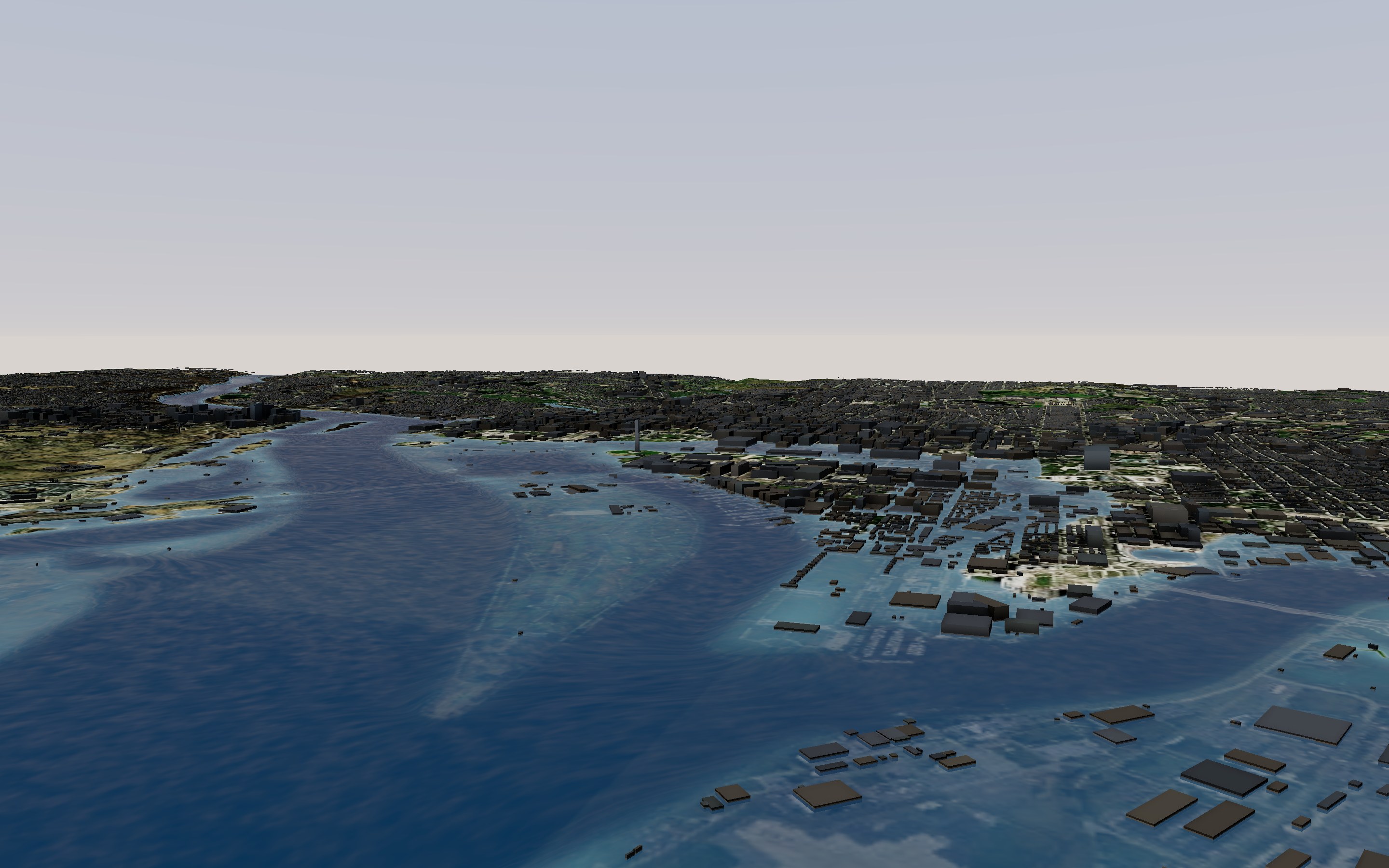
Work Experience
Field notes
Utilities and cities I've worked with, and the ones I'm working with now.
Gotta catch 'em all. 
not yet Great Lakes 🏠 home 📜 grad school
Lead Data Scientist
2025 — PresentInframark
Lead Inframark's data science team, working with product, executive leadership, and utility operations to build the machine learning models behind its digital water products. Leading the design and development of Inframark's shared ML platform, covering data ingestion, model training, deployment, and retraining. Deployed ML-based chemical dosing control for phosphorus removal and chlorine disinfection across multiple utilities, and leading the development of an inflow & infiltration detection system that attributes wet-weather flow to specific pipe segments and ranks rehabilitation candidates.
Senior Data Scientist
2023 — 2025Xylem
Developed the machine learning platform for Xylem's digital water products. Led the development of statistical and machine learning methods for time-series filtering and anomaly detection, used for predictive maintenance and plant operations. Built an MLOps platform on Flyte that Xylem's product teams used to train, deploy, and maintain their models, and that ran large SWMM simulations at scale on AWS clusters for optimization studies and model development.
Hydraulic Control and Optimization Engineer
2020 — 2023Xylem
Built machine learning and data engineering systems for Xylem's wastewater network optimization products, used daily by utility operators. Developed a 1D-CNN model that combines NOAA rainfall forecasts with near-real-time flow measurements to predict 24-hour inflow to wastewater treatment plants, and a real-time anomaly detection system covering 600+ concurrent data streams. Helped develop a real-time controller for an in-line storage site in a combined sewer system, and built operator-facing dashboards including the City of Richmond's public CSO notification map.
Open Source Projects
pystorms
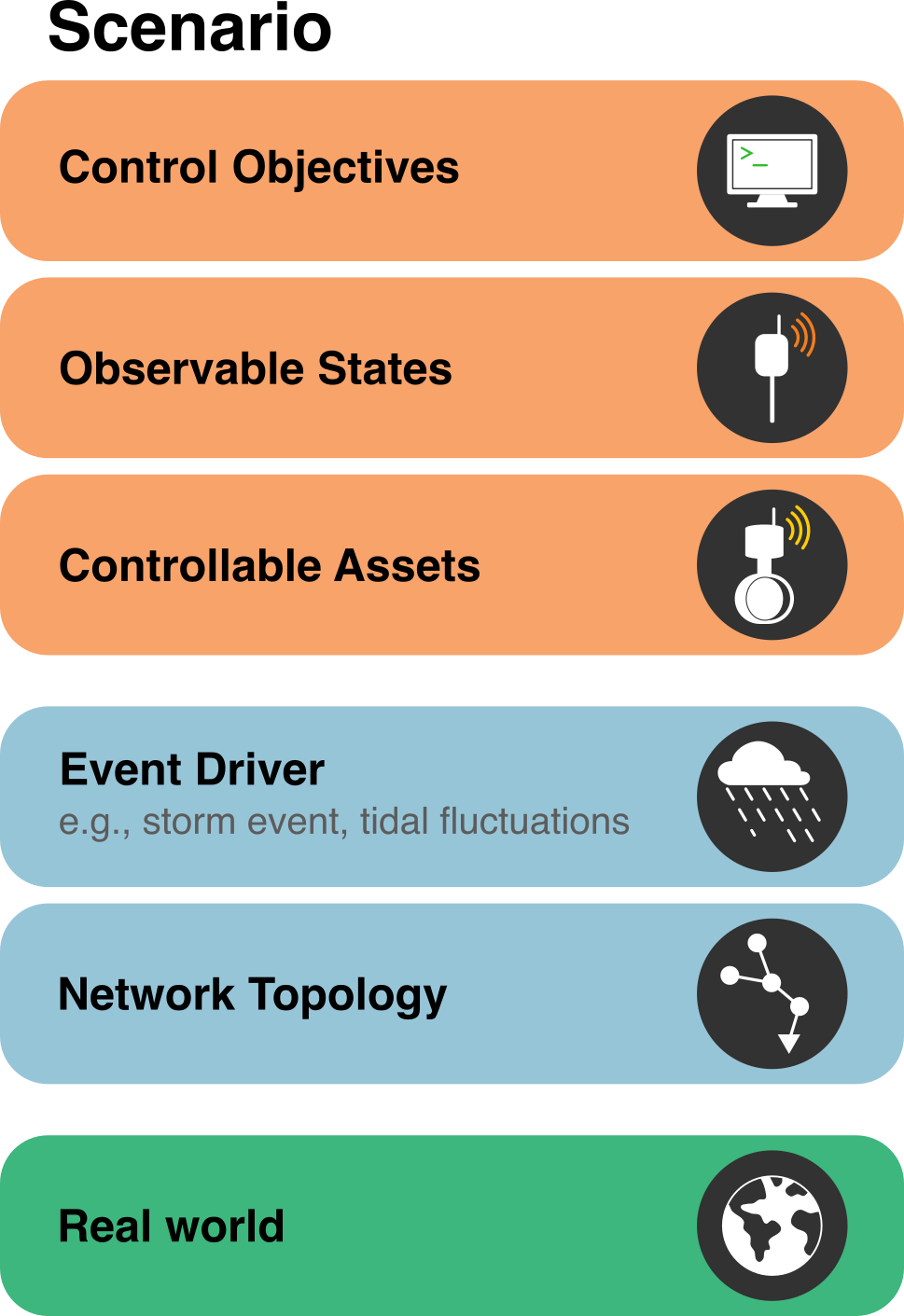
A sandbox for testing stormwater control algorithms.
Python
PySWMM
Python interface to EPA's SWMM. Step through and change simulations as they run.
Python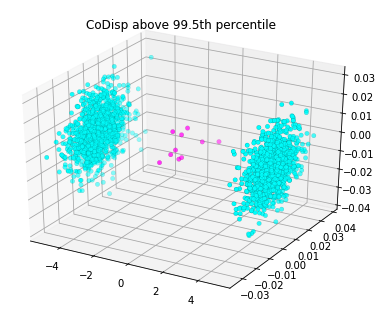
rrcf
Spots anomalies in streaming data as it arrives.
Python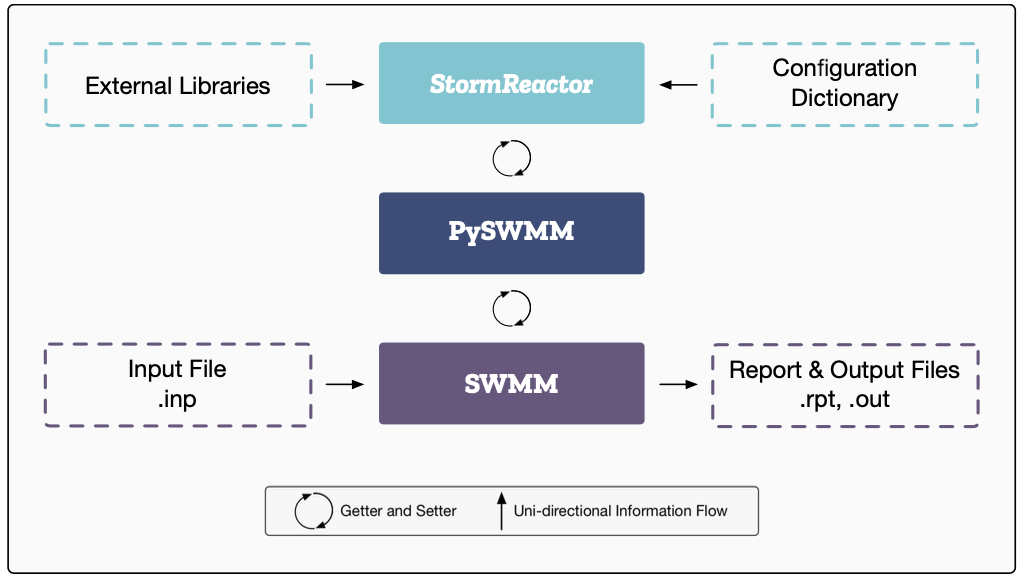
StormReactor
Adds water quality modeling to SWMM simulations.
PythonDigital Water 101
Workshop notebooks for building digital twins of water systems in Python.
Jupyter NotebookPublications
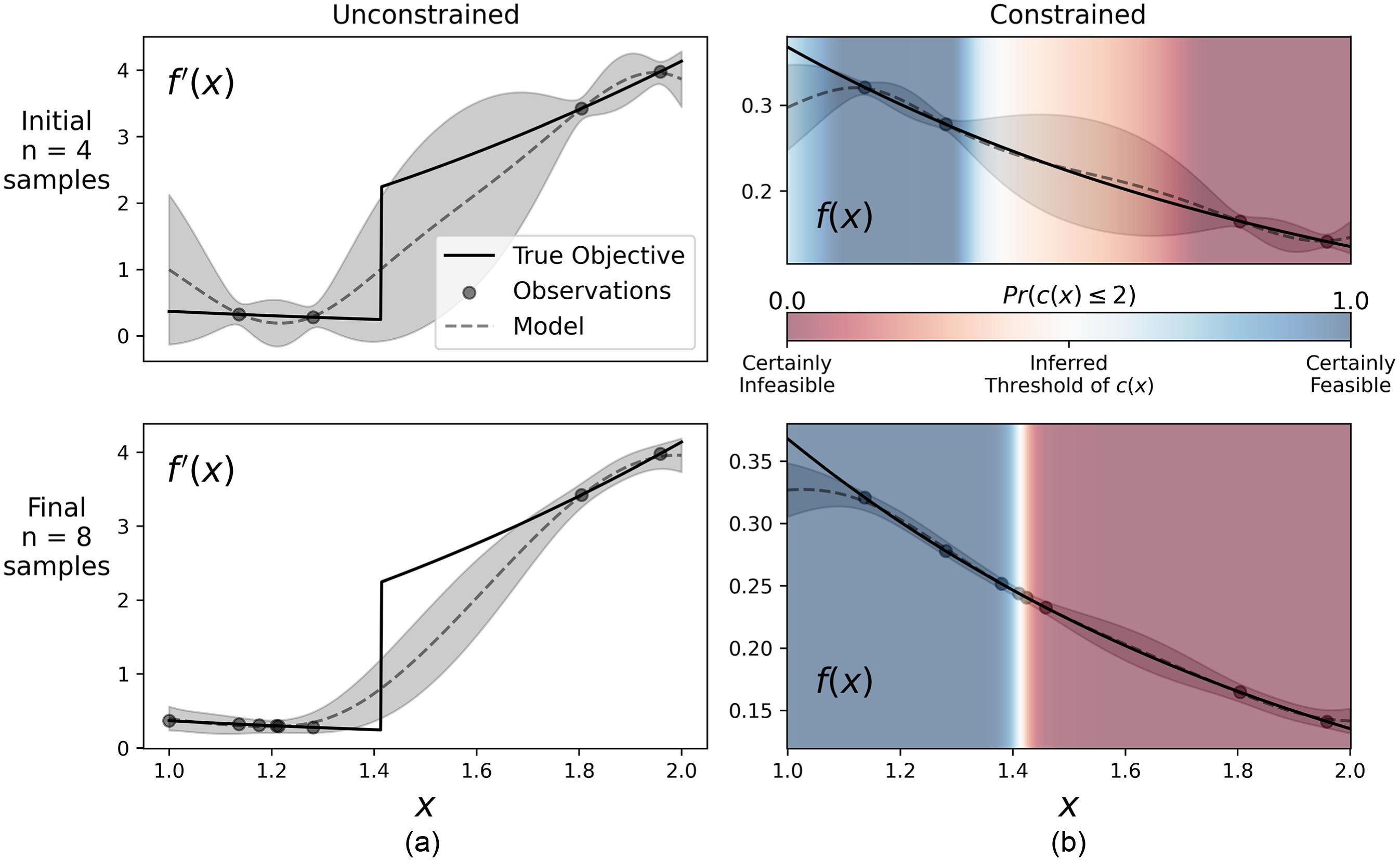
Bayesian Optimization with Unknown Constraints for the Design and Real-Time Control of Stormwater Systems
Journal of Water Resources Planning and Management, 2026
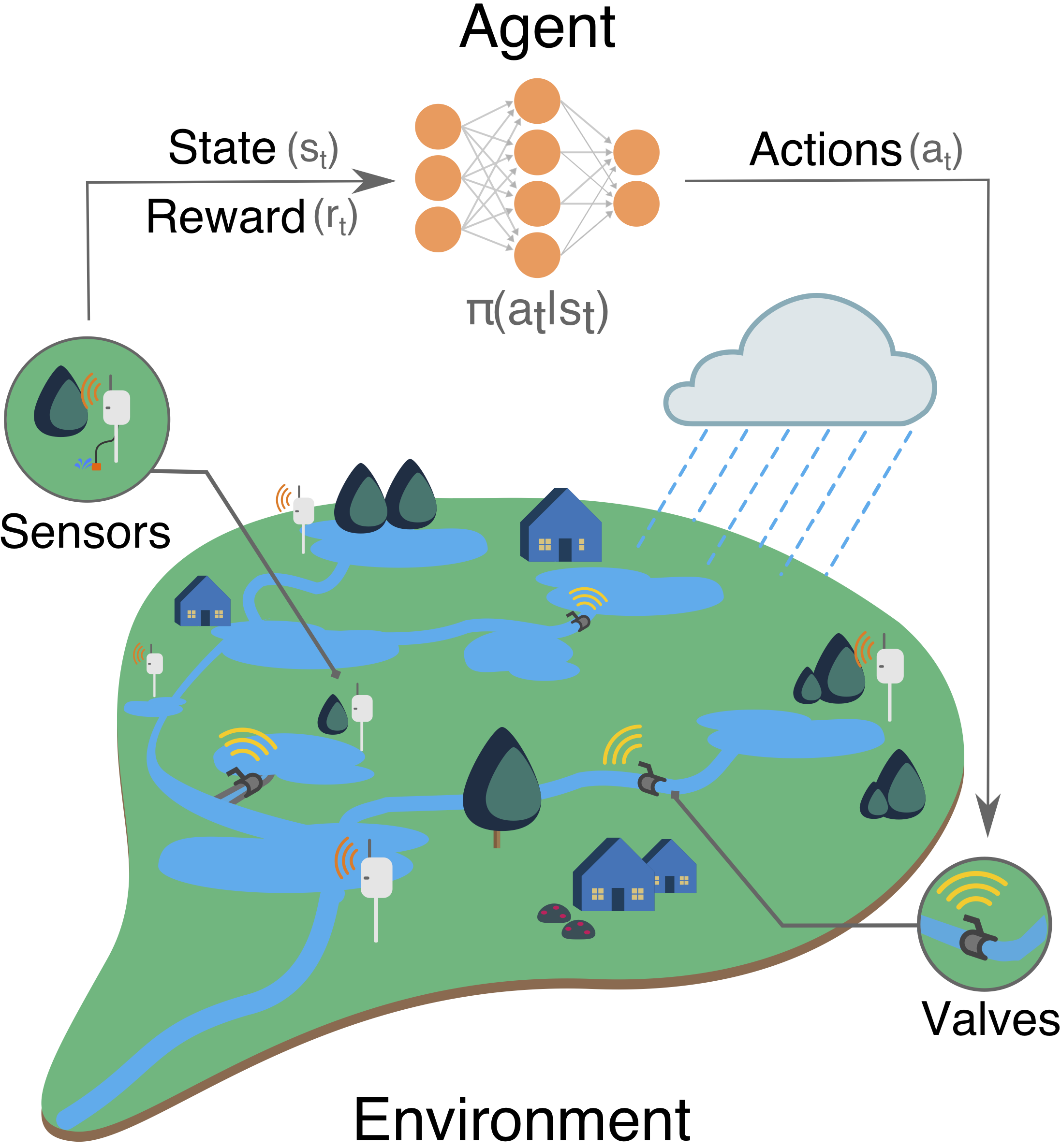
Designing and controlling stormwater systems when you don't know the constraints up front.
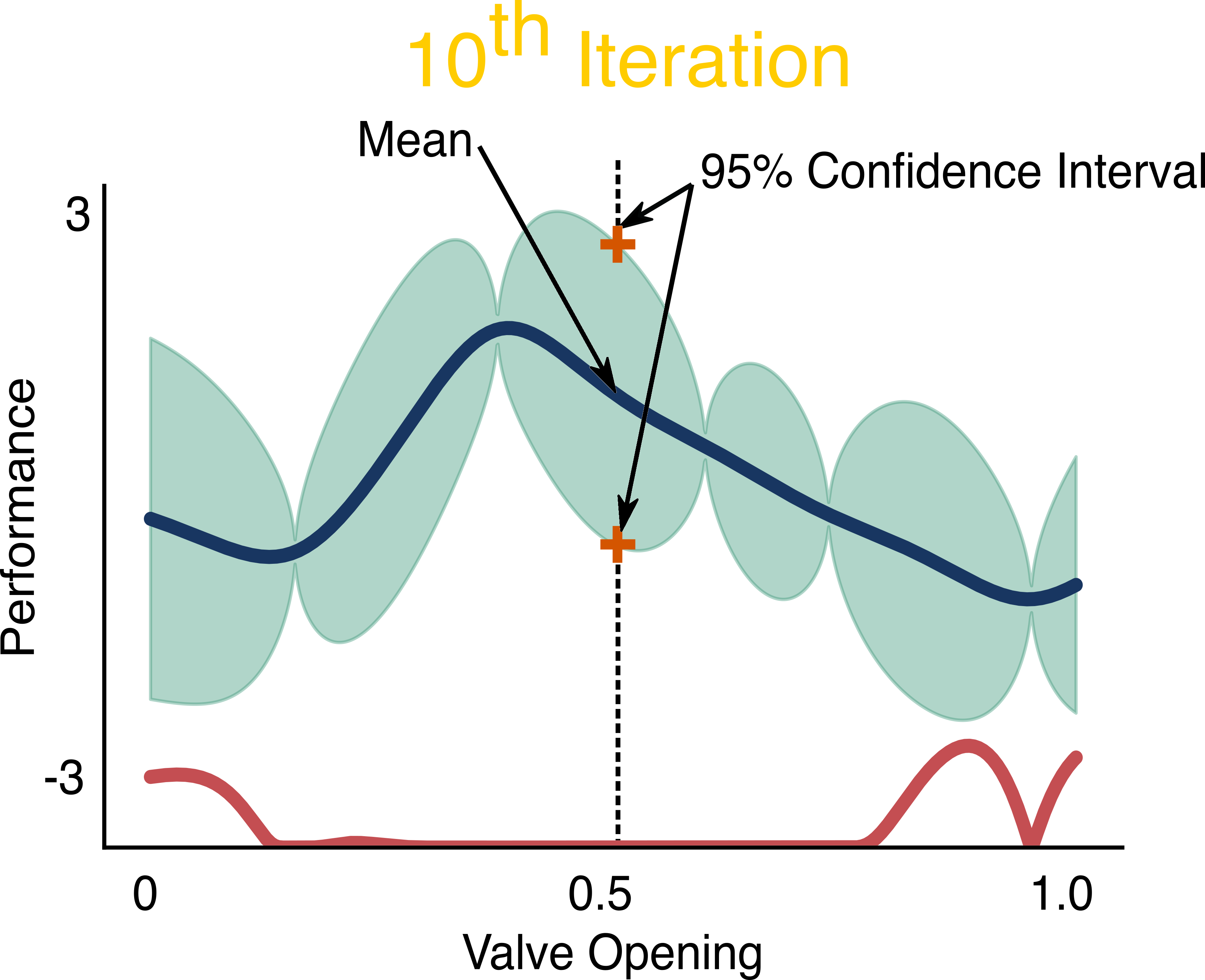
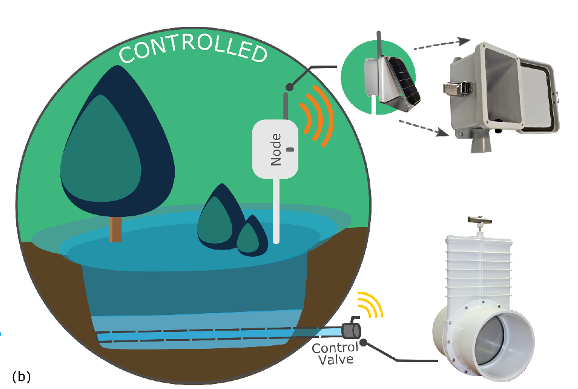
Shaping streamflow using a real-time stormwater control network
Sensors, 2018
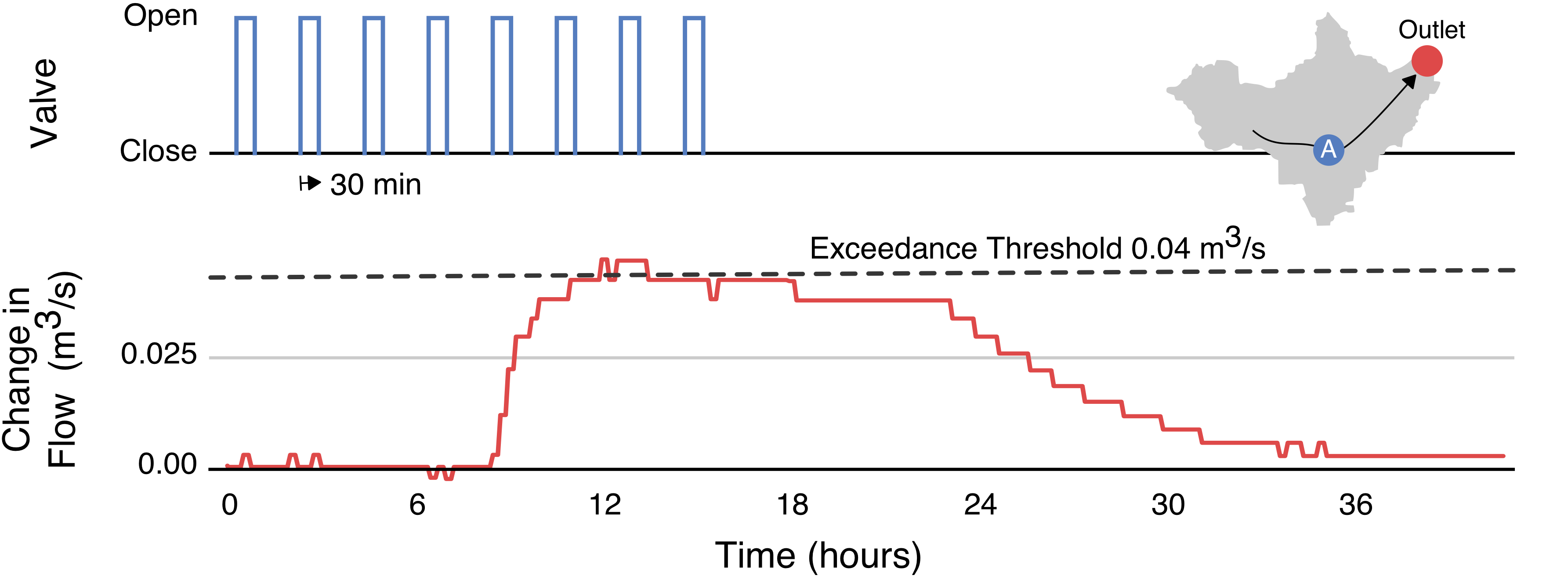
Using wireless sensors to shape how a stormwater network responds to storms.

Writing
AI for Water or Water for AI? Digital Water at WEFTEC 2026
Hot takes from WEFTEC 2026 on digital water: dashboards, analytics, agentic AI, and why the industry needs open tools and validation more than LLMs.
the illusion of control
Lessons learnt from throwing compute at problems: my journey trying to get an RL agent to control a network of stormwater basins.
papers solving water (1/?): modpods
Reading the paper behind modpods: generating interpretable rainfall-runoff models automatically from data.
the quest to build clippy
Reflections on LLM tooling, productivity, and building a PDF reader with a local LLM.
discovering governing equations from data
A numpy implementation of SINDy — sparse identification of nonlinear dynamical systems.
how to train your model
On double descent, over-parameterization, and why bigger models can generalize better.
digital water systems and how to build them
An introduction to building digital water systems with Python and mechanistic modeling.
Rowing
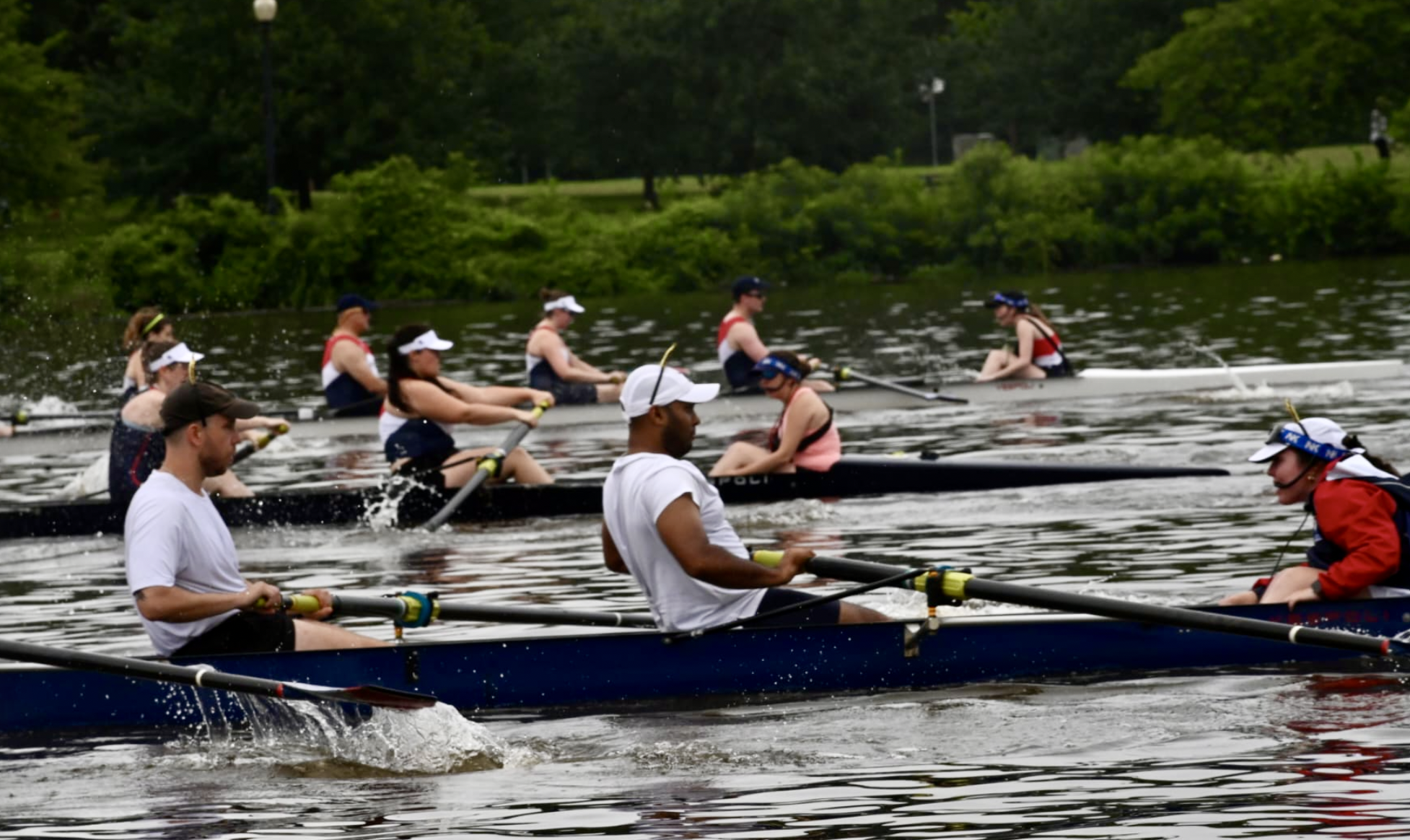
I row with the amazing crew at Capital Rowing Club on the Anacostia River. Nothing motivates you to reduce CSOs more than rowing past them every other day.
Orangetheory
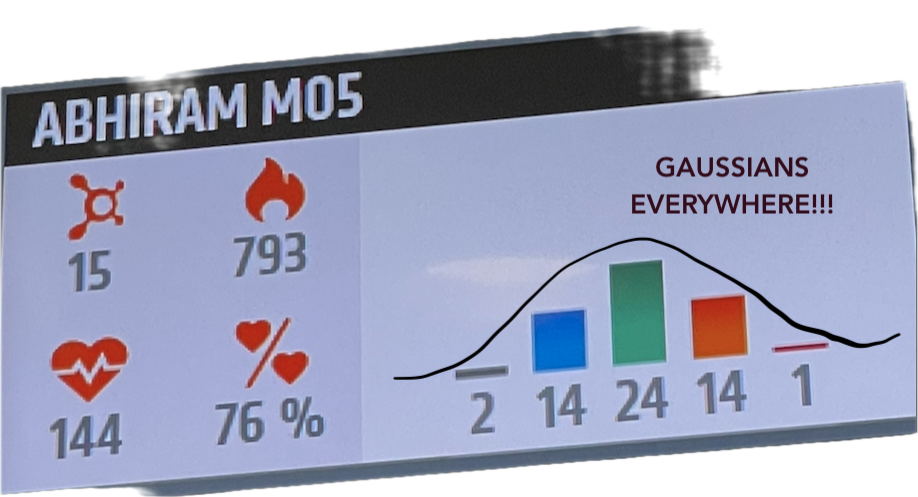
I love trying to make a Gaussian distribution with my heart rate zones in HIITs :P
Thanks for scrolling down. Here are some of my dogs